Multi-Benefit Land Repurposing Program
A Department of Conservation grant program, funding projects and processes for land repurposing to reduce groundwater use and restore wildlife habitat.

About MLRP
In 2021, the California Department of Conservation established the Multibenefit Land Repurposing Program (MLRP) with the goal of providing technical and financial support to help farmers and communities improve groundwater sustainability through multibenefit land repurposing. Examples of land repurposing include transitioning to less water intensive crops, restoring habitat, dryland agriculture, pollinator friendly cover crops, among other options. The Tule MLRP block grant was awarded in 2022, with the Tule Trust being a subawardee to the $10 million block grant to identify, evaluate, and fund local projects that reduce groundwater demand.
The Tule Trust supports MLRP in a variety of ways:
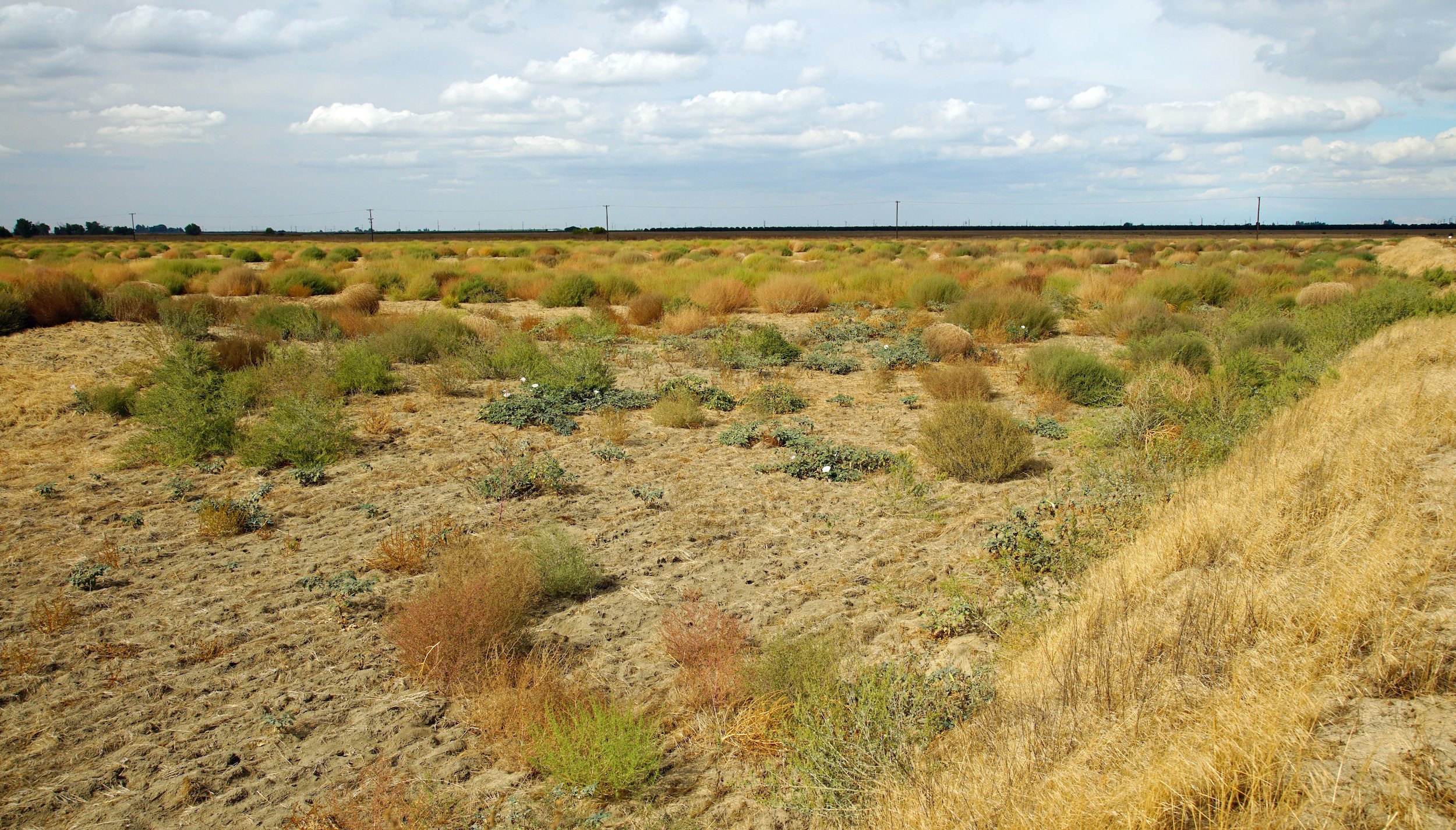
Capinero Creek habitat restoration project, which aims to convert 467 acres of previously irrigated agricultural land to an upland habitat with native grasses, shrubs, and wildflowers all suitable for San Joaquin Desert wildlife species
Supporting GSAs and other partner organizations to identify suitable projects and develop programs that incentivize strategic land repurposing strategies
Overseeing a land fallowing project that enrolled 8 farmers in fallowing over 1,100 acres
Facilitating Agricultural Advisory Committee meetings and workshops that brings together growers in the Tule subbasin to discuss challenges and opportunities related to land repurposing and farm diversification
Identifying a multi-benefit floodplain project that can safeguard rural communities from future flood events and provide additional habitat
Contributing to broader planning efforts to support future projects and programs that benefit communities, farmers, and the environment
The Tule Trust website and monthly newsletter will function as local landowner outreach, helping define and identify the multiple ways land is able to be repurposed. The Tule subbasin can protect its agricultural heritage by creating sustainable water solutions through proactive and selective land fallowing and habitat development.